The Early Bins
by Z. Marlow
3 min read-
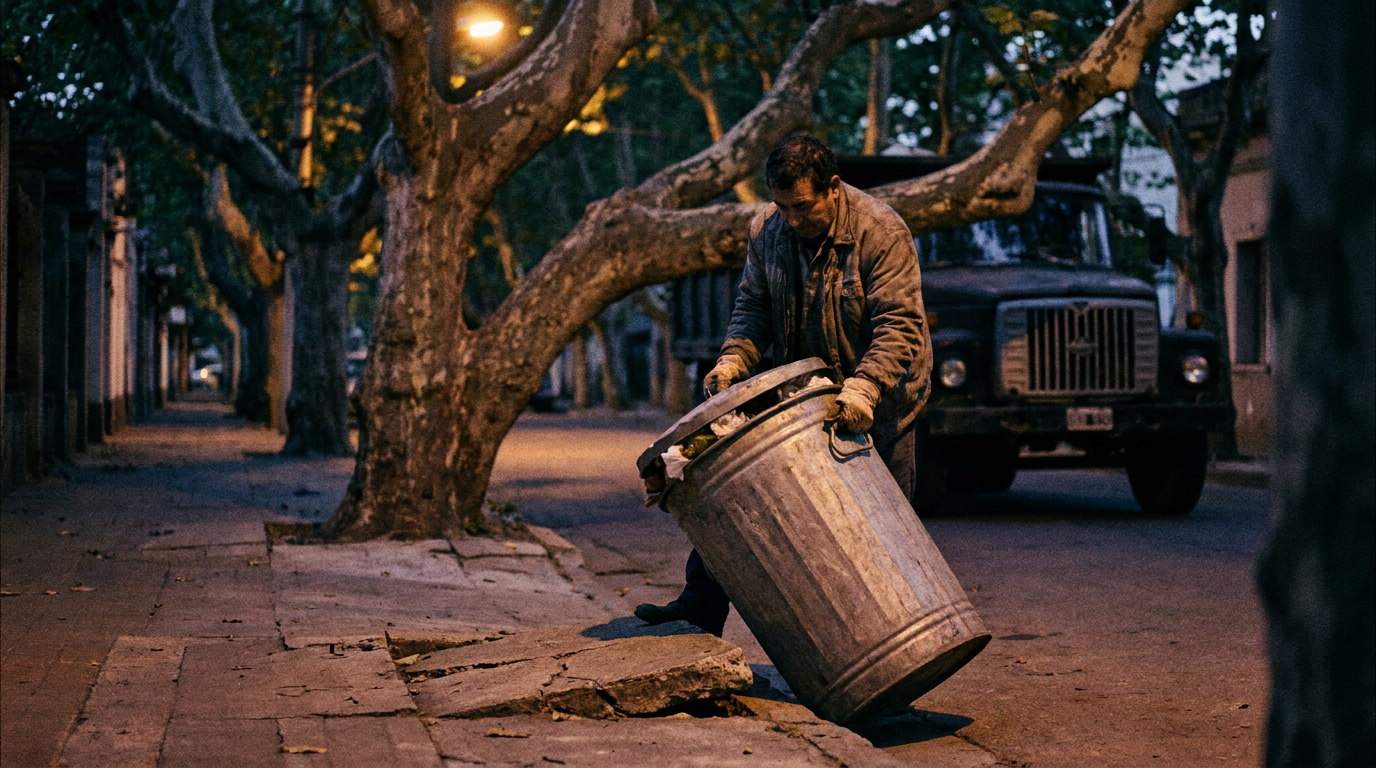
Begin at the corner where the pavement lifts under the plane tree. The lorry cannot pass there without striking the low branch, no matter what Len says. Walk the bins out by hand.
-
Mrs Vey keeps broken glass in a biscuit tin. She will tell you it is safe because she has wrapped each piece in newspaper. It is not safe. Wear the brown gloves.
-
The twins at number six sleep in the front room on collection mornings. Keep the bottles quiet. Their mother works nights and leaves two peppermints on the wall for us.
-
Do not take the green bin from number nine. It belongs to the next street and has done for years. Nobody knows why they bring it round.
-
Behind the bakery, rinse the spilled flour from the lifting bar. If it rains, the flour turns to paste and sets in the hinge. The tap is inside the yard, beside the sacks. Mr Odell will complain, then give you a warm roll.
-
After the bakery, check your watch. It should be near seven. If it is earlier than when you started, do not mention it to Len. He becomes unpleasant about things he cannot repair.
-
Take the next four houses slowly. The bins there are sometimes early.
-
By early, I do not mean set out before collection. I mean their contents have not yet been thrown away.
-
You can usually tell by the warmth. Tea leaves are warm before the kettle has boiled. Envelopes carry postmarks from Friday. Once, in August, I found snow packed around a pair of school shoes. Leave such things where they are. People dislike having their belongings returned before they have bought them.
-
Do not read letters. I did this once and spent three days waiting for Mrs Vey’s sister to die. On Monday, Mrs Vey told me the woman had recovered and was asking for soup. The letter appeared again the following Thursday, with one sentence changed. I have not read another.
-
At number fourteen, knock before moving the bin. Mr Pell may answer in his dressing gown, or his daughter may answer in the yellow dress. If it is the daughter, say nothing about her father. At present she lives by the sea and believes him dead.
-
The route settles after the postbox. You will hear the ordinary sounds again: milk bottles, pigeons under the railway bridge, somebody beating a rug. This does not mean the hour has put itself right. It means only that we have passed through it.
-
Our house is the last one before the depot. Your mother ties the bags with blue string. She saves string in the kitchen drawer, though I have never known where she gets the blue kind.
-
Last Thursday there was a child’s red mitten in our bin. It was worn pale at the thumb and smelled of woodsmoke. Inside the cuff, someone had stitched the name Nell in your mother’s smallest sewing.
-
Your sister has not told us anything. Let her tell us herself.
-
Beneath the mitten was my good coat, folded as neatly as if it were going into the wardrobe. One pocket held three peppermints. The other held this list.
-
I recognised the paper because of the grease mark from Mr Odell’s roll. I recognised the writing too, although the final instructions had not yet been written.
-
When you take my place tomorrow, wear the brown gloves. Your mother will say I left before breakfast. Tell her I have only gone to finish the round.
-
If the lorry is already waiting beyond the plane tree, do not let the driver help you with the bins. He will look like me from behind.
-
Listen before you call to him.
-
If a little girl inside the cab is singing, bring them both home.