The Lamps Home
by Z. Marlow
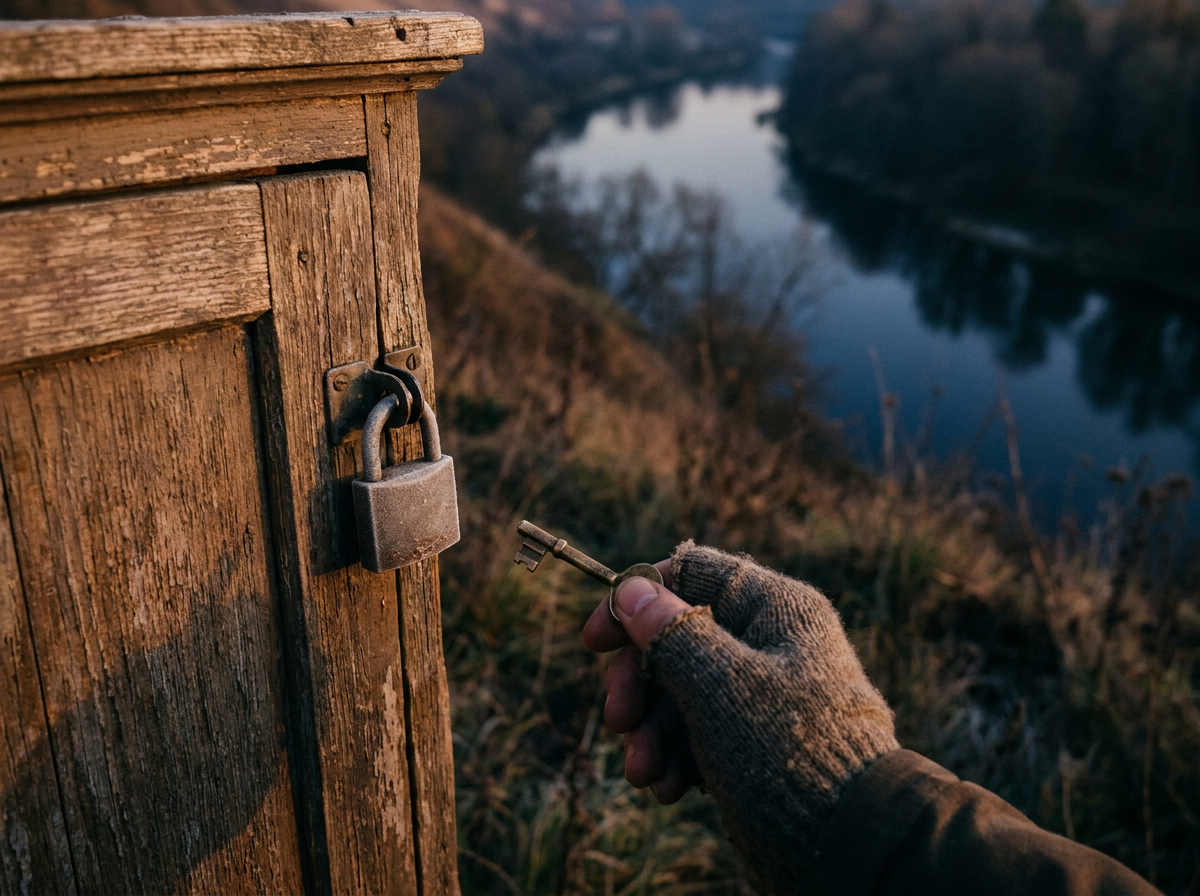
3 min readBegin at the river end and work uphill. The cabinet key sticks in frost, so warm it in your glove before turning.
-
Check the feeder switch. It should give a low, steady hum. If it is silent, replace the fuse from the tin marked STREET ONLY. The porcelain ones are old but sound.
-
Walk the east pavement first. Note any broken glass, leaning posts, or covers loosened by rain. Do not touch the copper earth wire bare-handed. The shock is small, but it leaves the taste of spoons.
-
At each lamp, stand beneath it long enough to hear the ballast. A healthy lamp buzzes evenly. A failing one pauses, as if listening.
-
Clear moths from the bowls. Use the soft brush. Their wings clog the vents and smell of scorched flour when the lamps warm.
-
The light outside the old infirmary is always slow. Give it time. It may remain the color of weak tea until midnight.
-
If the whole row dims together, do not return to the cabinet. There is nothing wrong with the feeder.
-
Put away your torch. Face the infirmary gates and wait.
-
You may notice a smell before anything changes. Commonly it is lavender water, pipe smoke, wet dog, or bread crusts burning at the edge. Once it was fresh-cut apples in the middle of snow. The smell will belong to no house presently awake.
-
Watch the lamps.
-
The first will brighten beside the gates. Then the next. Then the next, at walking pace. No figure will be visible between them.
-
Do not mistake the order. They are not going dark after someone passes. They are coming on before someone who needs to see the way.
-
Follow at a respectful distance. The route may leave your assigned street. It may cross the square, turn through the washhouse lane, or climb the steps behind Saint Orra’s clock. Traffic will slow without being signaled. Dogs will raise their heads but seldom bark.
-
Where the light turns, turn.
-
Most routes end at a house. Sometimes the house is boarded, divided into flats, or gone entirely. This does not matter. The lamps remember the road as it was when the traveler last came home gladly.
-
If a porch light comes on, remain at the gate. You may hear a chair move inside. You may hear someone say a name they have not spoken for years. Never knock. The person within must decide whether to open the door.
-
If one street lamp fails before the route is complete, repair it at once. Work live if necessary. A traveler stopped between lights will wait beneath the dead bowl, and by morning the nearest windows will be furred with ice on the inside.
-
There was one such failure in Tallow Lane. The keeper thought dawn would be soon enough. The woman waiting there had been walking home to her sister, who kept a blue cup for her on the kitchen shelf. By sunrise the cup had split neatly in two, though the water inside had not frozen.
-
When the final lamp softens, go back by another street. Do not look for footprints. Do not ask at the infirmary who died. The night porter dislikes the question, and his list is never the same as ours.
-
Record the route in the black ledger. Use the name of the street, not the traveler. If the destination no longer exists, draw a small square where the door appeared.
-
Before locking the cabinet, count the spare fuses. There should be six.
-
If there are seven, leave the key in the lock and keep your coat on. Somewhere along the circuit, a lamp has begun to brighten for you.