What the Road Carries
by Z. Marlow
3 min read-
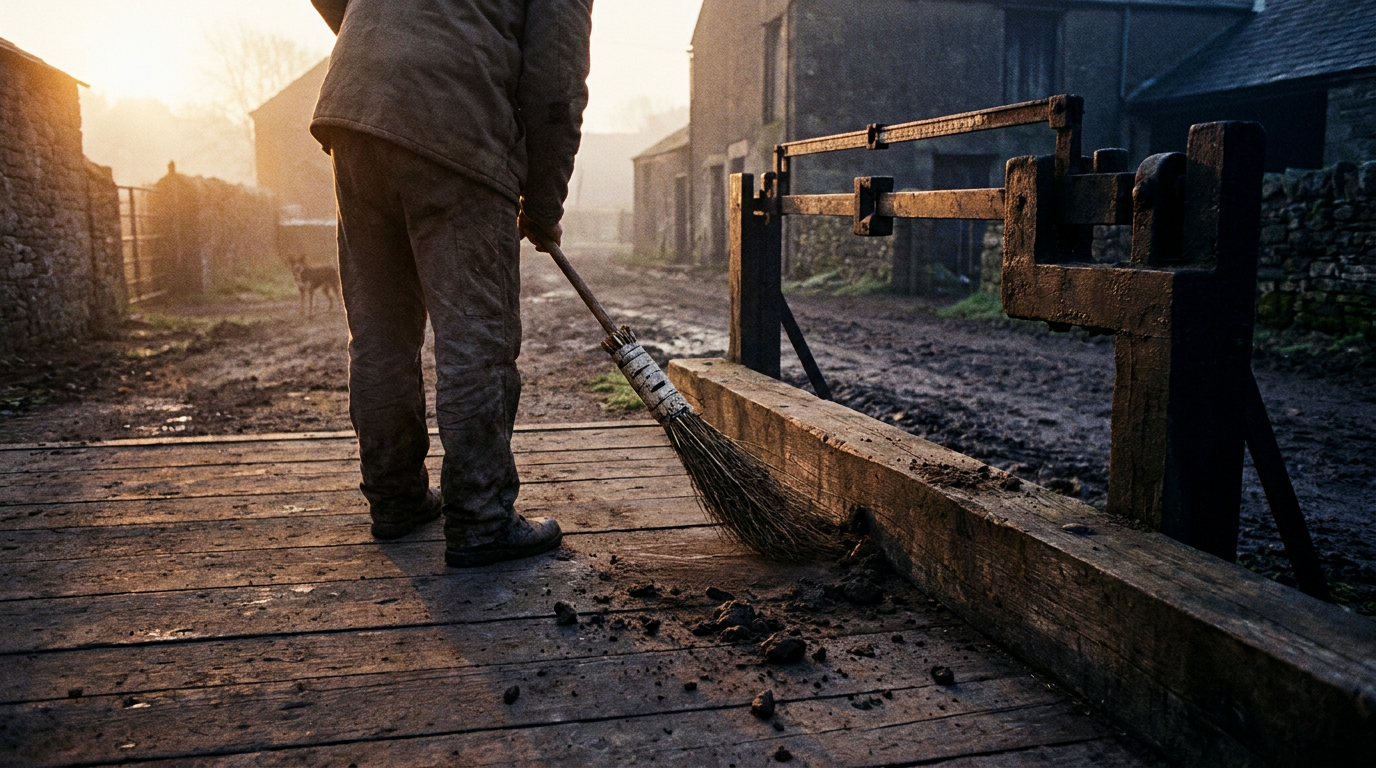
Sweep the platform before the first cart arrives. Mud lodged beneath the north lip will make the beam sulk all morning. Use the birch broom, not the iron scraper. The scraper wakes every dog along Bellwater Lane.
-
Hang the brass weights in their proper order. Your grandfather stamped each hook with a chisel, though his fours resemble little open doors. Rub tallow on the pivots in frost. In hot weather, leave them dry.
-
Ask the carter to halt with all wheels upon the oak. Horses dislike the hollow sound. Cover their eyes if needed, and speak to them as you would to children in a dark room.
-
Record grain, coal, apples, household goods, and machinery in the black ledger. Do not record passengers. A person crossing with the load belongs to the journey, not the cargo.
-
At noon, close for bread and tea. You will be tempted to eat in the weighing house, especially when rain rattles the zinc roof. Do not. Crumbs draw mice, and mice have no respect for calibration.
-
After the last wagon has gone, set the beam at rest. Bolt the road gates. Extinguish the stove. Take the ledger home beneath your coat if the air smells of snow.
-
If the platform settles after midnight, wait.
There may be no cart at the gate. The road may shine empty from hedge to hedge. Still, the chains will tighten, and the pointer will move with the grave patience of a clock hand.
Do not light the lantern.
- Your grandfather called this the late crossing. His father called it nothing at all. Both men kept a second ledger beneath the loose floorboard, wrapped in sacking.
You have seen it. You were small, but you remember the paper smelling of damp wool.
-
In that ledger, write the date and the weight. Leave the name blank. The name will come to you before dawn, usually in some ordinary way: a shutter banging in a windless room, a spoon laid for someone who will not breakfast, a hen calling from an empty coop.
-
The weight will not be the weight of the dead.
I believed that for many years. It comforted me to imagine them passing over the oak one final time, dressed in whatever weather they loved best.
Then your aunt Sella died.
The platform sank while I stood beside it. The pointer stopped at the exact weight of her blue loom, though the loom remained upstairs at home, threaded with half a red flower.
That was when I understood.
The road does not weigh what leaves us. It weighs what can no longer be carried.
- Some crossings are light. Old grudges scarcely stir the beam. Unsaid apologies are heavier. A song forgotten by its last singer may bend the hook.
Once, after the schoolmaster died, the platform groaned until sunrise. For weeks afterward, no child in Bellwater could remember the name of the river beyond the hill.
- If the pointer continues past the final mark, open the road gates.
This is important.
Stand aside and let the burden pass. You may hear harness bells, bare feet, a pram with one bad wheel. You may smell your mother’s lavender soap.
Do not call out.
- Tomorrow they will dismantle the weighbridge. The road men say carts no longer need it. They have machines now that travel with the load.
I have left this list beneath the floorboard, where you once found the other ledger.
Tonight the platform has lowered again.
It has not stopped.
The empty road is pressing down so gently that, in the house across the lane, every sleeping person has turned toward it.